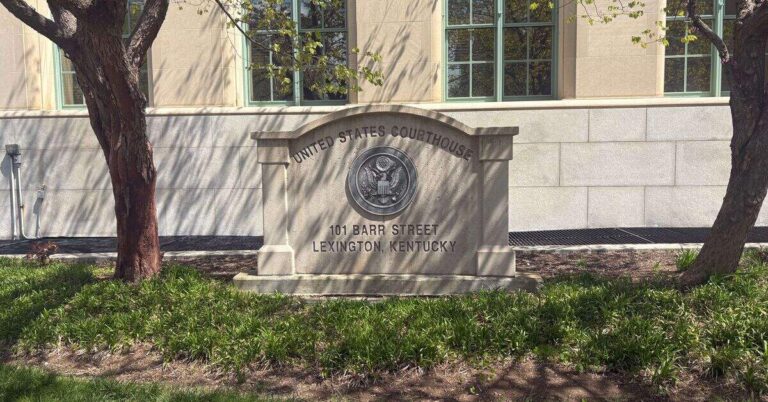

After an Adverse Judgment in Kentucky: Post-Judgment Motions, Appeal Deadlines, and First Steps
The judgment came down and it went against you. The clock is already running. Kentucky gives a losing party a short window to decide what to do, and the choices made in the first ten days, and then the first thirty, determine whether an appeal is even possible. This post walks through those deadlines and the first steps that follow. For an overview of how the appeal itself unfolds once it is filed, see our companion post on how the Kentucky appellate process works.
Note: Effective January 1, 2023, the Kentucky Supreme Court replaced the appellate provisions of the Civil Rules (former CR 72 through CR 76) with the Kentucky Rules of Appellate Procedure (RAP). The rule citations below reflect the RAP.
Step one: confirm the judgment is final
Only a final judgment can be appealed as of right. In a case with multiple claims or parties, an order that resolves some claims but not others is not final unless the trial court expressly says so. CR 54.02 allows the court to enter a final judgment on fewer than all claims only by reciting that the judgment is final and that there is no just reason for delay. Without that recital, the order is interlocutory, the appeal clock has not started, and a premature notice of appeal will be dismissed. Read the order carefully before counting days.
The ten-day window: post-judgment motions
Kentucky’s Civil Rules give the losing party ten days after entry of judgment to ask the trial court to fix its own mistake. The main vehicles are:
- CR 59.05, a motion to alter, amend, or vacate the judgment.
- CR 59.01 and 59.02, a motion for a new trial.
- CR 50.02, a motion for judgment notwithstanding the verdict after a jury trial.
- CR 52.02, a motion to amend findings after a bench trial.
These motions matter for two reasons. First, they sometimes work; trial judges do correct clear errors when they are pointed out promptly. Second, a timely motion under these rules suspends the time for filing a notice of appeal. The thirty-day appeal period then runs from entry of the order disposing of the motion, not from the original judgment. An untimely motion does not toll anything, so the ten days are as hard a deadline as the thirty.
A CR 59.05 motion is not a chance to re-argue the case. It is for manifest errors of law or fact, newly discovered evidence, or an intervening change in the law. Using it to recycle arguments the court already rejected wastes the ten days and irritates the judge who will be setting your supersedeas bond.
The thirty-day deadline: notice of appeal
Under RAP 3(A), a notice of appeal must be filed within thirty days after entry of the final judgment, or after entry of the order disposing of a timely post-judgment motion. The notice is filed in the trial court, not the appellate court, and it must identify the parties taking the appeal, the judgment or order appealed from, and the court to which the appeal is taken, with the filing fee paid.
This deadline is jurisdictional. The appellate court cannot extend it, excuse it, or overlook it. A notice filed on day thirty-one ends the appeal before it begins, regardless of how strong the arguments were. If there is any doubt about the entry date, treat the earliest plausible date as the one that counts.
Name every party and every order correctly. Omitting a necessary party from the notice, or failing to identify the order being challenged, has cost appellants their appeals in Kentucky. The notice is short, but it should be prepared with the same care as the brief.
Cross-appeals
If the other side files first and you also have issues to raise, you must file a cross-appeal within the short period the RAP allows after the first notice of appeal is served. A party that wins most of a case but loses on one issue cannot simply defend the judgment and hope to argue the lost issue in its response brief; it must cross-appeal to put that issue before the court.
Stopping enforcement while you appeal
Filing a notice of appeal does not stop the winning party from collecting. A money judgment is enforceable immediately, and garnishments and judgment liens can follow. To stay enforcement pending appeal, the appellant ordinarily must post a supersedeas bond in an amount set by the trial court, typically the judgment amount plus interest and costs, under the Rules of Appellate Procedure. For an injunction or other non-monetary order, the appellant moves the trial court for a stay and, if denied, may seek one from the appellate court. Decide early whether you can fund a bond; for some clients that practical question settles whether an appeal makes sense at all.
Designating the record and ordering the transcript
Shortly after the notice of appeal, the appellant must designate the portions of the trial court record to be certified to the appellate court and, where the trial was recorded, make arrangements for the video record or transcript. The appellate court reviews only what is in the certified record. If the testimony that proves the trial court’s error is not designated, the court will presume the omitted record supports the judgment. Over-designate rather than under-designate.
Preserved issues only
This is the moment to take a hard look at what was preserved. The appellate court will consider only errors that were raised in the trial court and ruled on, with narrow exceptions for palpable error under CR 61.02. Under RAP 32(A)(4), each argument in the brief must begin with a statement, with record citations, showing how the issue was preserved. If the objection was never made, the motion never filed, or the instruction never tendered, the issue is likely gone, and an honest assessment now saves the cost of an appeal built on sand.
Deciding whether to appeal
Within these first thirty days, the losing party and counsel should answer four questions: Was the error one of law, reviewed de novo, or one of fact or discretion, where the appellate court defers heavily to the trial judge? Was it preserved? Would reversal actually change the outcome, or just send the case back for another trial? And do the likely cost and the twelve-to-twenty-four-month timeline justify it? A frank answer to those questions is worth more than any brief.
If you have just received an adverse judgment in a Kentucky civil case, call (859) 225-9540 or contact us online right away. The ten-day and thirty-day deadlines do not wait, and the first decisions are the ones that cannot be undone.
Joseph D. Buckles is a civil litigation attorney at Buckles Law Office, PLLC in Lexington, Kentucky, with a focus on civil litigation and probate litigation.