

Skip to content
Buckles Law Office
  • Home
  • Civil LitigationExpand
    • Business Litigation
    • Employment
  • Probate Litigation
  • Other Practice Areas
  • About
  • Blog
  • Contact
Buckles Law Office
  • United States Federal Courthouse in Lexington Kentucky with American and Kentucky flags
    Business Litigation

    Unjust Enrichment Claims in Kentucky: When There’s No Contract

    Bybuckleslaw February 18, 2026October 17, 2026

    Quick answer: Unjust enrichment lets you recover in Kentucky when there is no enforceable contract but the other party received a benefit from you, knew about it, and kept it under circumstances that make it unfair not to pay. The remedy is the value of the benefit conferred, and the claim is generally unavailable where…

    Read More Unjust Enrichment Claims in Kentucky: When There’s No ContractContinue

  • Downtown Lexington Kentucky street view along Limestone with shops and businesses
    Employment & Wage-Hour

    Employer Misclassification: Independent Contractor vs. Employee in Kentucky

    Bybuckleslaw February 16, 2026October 17, 2026

    Quick answer: A Kentucky worker paid on a 1099 is still an employee if the business controls when, where, and how the work is done. Misclassified workers can recover unpaid overtime and minimum wage under the FLSA and KRS Chapter 337, plus liquidated damages and attorney’s fees, and may be entitled to workers’ compensation and…

    Read More Employer Misclassification: Independent Contractor vs. Employee in KentuckyContinue

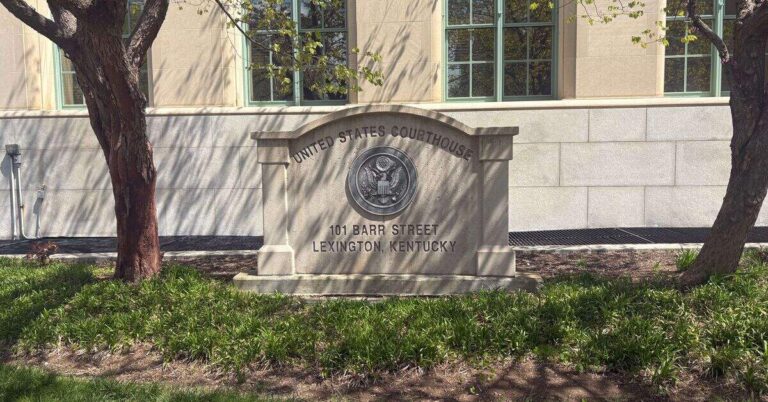
  • United States Courthouse stone monument sign at 101 Barr Street Lexington Kentucky
    Civil Litigation

    Can I Recover Attorney’s Fees in a Kentucky Lawsuit?

    Bybuckleslaw February 15, 2026November 15, 2026

    Quick answer: Usually not. Kentucky follows the American Rule: each side pays its own attorney’s fees unless a contract provides otherwise or a statute shifts fees, such as the wage statute (KRS 337.385), the Consumer Protection Act (KRS 367.220), or the anti-SLAPP law (KRS 454.478). Courts can also award fees as a sanction for bad-faith…

    Read More Can I Recover Attorney’s Fees in a Kentucky Lawsuit?Continue

  • United States Courthouse stone monument sign at 101 Barr Street Lexington Kentucky
    Civil Litigation

    What Is a Demand Letter and Do I Need One Before Filing Suit?

    Bybuckleslaw February 13, 2026October 17, 2026

    Quick answer: A demand letter is a written notice to the other side stating your claim, the facts and law behind it, what you want, and a deadline before you sue. Kentucky does not generally require one before filing, but it often resolves the dispute, documents your good faith, and in some contexts (insurance, consumer,…

    Read More What Is a Demand Letter and Do I Need One Before Filing Suit?Continue

  • Lexington Kentucky courthouse history monument with carved lettering in downtown
    Civil Litigation

    Kentucky’s Statute of Limitations for Civil Lawsuits: A Quick Reference

    Bybuckleslaw February 11, 2026November 15, 2026

    Quick answer: Kentucky’s main civil deadlines: personal injury, one year (KRS 413.140); motor vehicle injury, two years from the accident or last PIP payment (KRS 304.39-230); property damage and oral contracts, five years (KRS 413.120); written contracts, fifteen years for older contracts (KRS 413.090) and ten for those signed after July 15, 2014; defamation, one…

    Read More Kentucky’s Statute of Limitations for Civil Lawsuits: A Quick ReferenceContinue

  • Federal courthouse in Lexington Kentucky with American and Kentucky state flags flying
    Collections & Judgments

    How to Collect on a Judgment in Kentucky

    Bybuckleslaw February 10, 2026October 17, 2026

    Quick answer: To collect a Kentucky judgment, the creditor uses post-judgment discovery to locate assets, then garnishes wages (KRS 425.506) or bank accounts, records a judgment lien on real estate under KRS 426.720, and can execute on non-exempt personal property. The court does not collect for you; the creditor has to use these tools, and…

    Read More How to Collect on a Judgment in KentuckyContinue

  • United States Federal Courthouse in Lexington Kentucky with American and Kentucky flags
    Business Litigation

    Breach of Contract in Kentucky: What You Need to Prove

    Bybuckleslaw February 8, 2026November 15, 2026

    Quick answer: To win a breach of contract claim in Kentucky you must prove a valid contract, that you performed or were excused from performing, that the other party breached, and that the breach caused you damages. Written contract claims carry a long limitations period (ten years for contracts signed after July 15, 2014 under…

    Read More Breach of Contract in Kentucky: What You Need to ProveContinue

  • Downtown Lexington Kentucky street view along Limestone with shops and businesses
    Employment & Wage-Hour

    Can I Sue My Employer for Unpaid Wages in Kentucky?

    Bybuckleslaw February 6, 2026October 17, 2026

    Quick answer: Yes. Kentucky employees can file a private lawsuit for unpaid wages under KRS 337.385 and recover the unpaid amount, an equal amount in liquidated damages, and attorney’s fees, or sue under the federal FLSA. You do not have to go through the Labor Cabinet first, and the Kentucky claim carries a five-year limitations…

    Read More Can I Sue My Employer for Unpaid Wages in Kentucky?Continue

  • Historic Henry Clay Law Office building on North Mill Street in Lexington Kentucky
    Probate & Estate Litigation

    What Is a Fiduciary Duty? A Guide for Kentucky Beneficiaries

    Bybuckleslaw February 4, 2026October 17, 2026

    Quick answer: A fiduciary duty is the legal obligation of a trustee, executor, guardian, or agent to act solely in the interest of the people they serve: to be loyal, to be prudent, to be impartial among beneficiaries, and to keep them informed. In Kentucky these duties for trustees are codified in KRS Chapter 386B,…

    Read More What Is a Fiduciary Duty? A Guide for Kentucky BeneficiariesContinue

  • Historic Federal-style brick home with yellow door on Market Street in Lexington Kentucky
    Probate & Estate Litigation

    How Jointly Owned Property Passes at Death in Kentucky

    Bybuckleslaw February 3, 2026November 15, 2026

    Quick answer: In Kentucky, property held as joint tenants with right of survivorship or as a payable-on-death or transfer-on-death account passes automatically to the surviving co-owner outside of probate, while property held as tenants in common passes through the deceased owner’s estate. Adding a name to a deed or account is a completed gift with…

    Read More How Jointly Owned Property Passes at Death in KentuckyContinue

Page navigation

Previous PagePrevious 1 … 6 7 8 9 10 … 20 Next PageNext

© 2026 Buckles Law Office - WordPress Theme by Kadence WP

  • Home
  • Civil Litigation
    • Business Litigation
    • Employment
  • Probate Litigation
  • Other Practice Areas
  • About
  • Blog
  • Contact