
Building the Case: Using Discovery to Prove Executor Misconduct in Kentucky
Beneficiaries who suspect an executor of misconduct usually share the same frustration: they are sure something is wrong, but they cannot prove it, because the executor controls all the records. This is exactly the problem civil discovery exists to solve. Once an estate dispute becomes an adversary proceeding in Kentucky Circuit Court, the beneficiaries stop asking politely and start compelling answers under the Kentucky Rules of Civil Procedure. Understanding what discovery can reach — and how a misconduct case actually gets built — turns vague suspicion into a litigation plan.
Why the Forum Matters
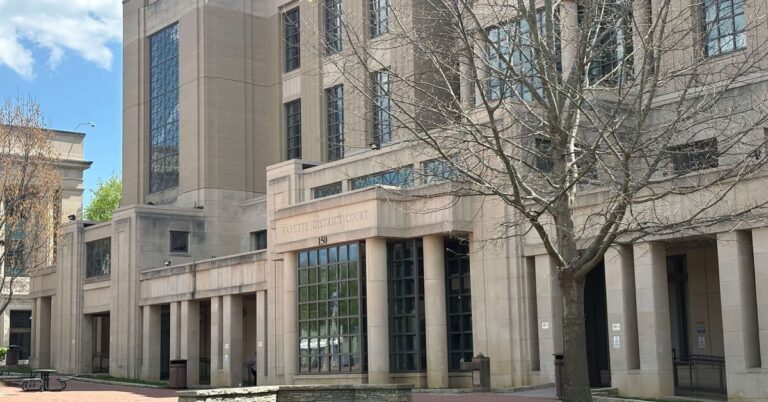
Routine probate administration runs through the District Court, which handles appointments, inventories, and settlements. But contested matters — genuine adversary disputes like breach of fiduciary duty and surcharge claims — are litigated in Circuit Court, and that jurisdictional line (drawn by KRS 24A.120) carries practical consequences: full civil process, the complete discovery toolkit of CR 26 through CR 37, and a forum built for resolving disputed facts. The move from probate file to civil docket is the move from asking the executor for information to requiring it.
The Toolkit
Requests for production reach the estate’s complete financial records: bank and brokerage statements, cancelled checks, closing files, appraisals, leases, tax returns, and the executor’s correspondence about estate business. Interrogatories force written answers under oath — an accounting of every disbursement, identification of every account, the basis for every fee. Subpoenas extend the reach to third parties: banks produce statements the executor “lost,” realtors produce the listing file that shows how the house was actually marketed, title companies produce the closing package. Depositions put the executor under oath, on the record, answering the questions he has dodged for two years — and locking in a story before he knows what the documents will show. Where estate funds provably passed into the executor’s personal accounts, discovery can follow them there.
What the Records Reveal
Misconduct cases are rarely won by a single smoking gun; they are won by reconciliation. Take the inventory and the date-of-death balances, add income the assets should have produced, subtract documented, legitimate expenses — and compare the result to what the executor says is left. Gaps demand explanations, and the explanations are where cases crack: the “estate expense” that was a personal credit card payment, the “repairs” invoiced by a company that doesn’t exist, the transfer to a personal account the day after the estate account was funded. A methodical lawyer, complete bank records, and a spreadsheet defeat most cover stories. Larger or messier estates justify a forensic accountant, whose testimony packages the tracing for a judge or jury.
The Burden-Shifting Advantage
Fiduciary law gives beneficiaries structural help. The executor is the one obligated to keep accounts and records of the administration; when he cannot document what happened to property he controlled, courts resolve the resulting uncertainty against him, not against the beneficiaries. Commingling makes this worse for the fiduciary, not better. In practice, once beneficiaries establish what came into the executor’s hands, the burden of explaining where it went sits where it belongs — on the person who had the checkbook.
Discovery Misconduct Compounds the Problem
Executors who stonewalled beneficiaries sometimes try to stonewall discovery too — incomplete productions, evasive answers, convenient memory failures. The rules provide for motions to compel and sanctions, and judges take a dim view of fiduciaries hiding records they were legally obligated to keep. Destroyed or withheld records can support adverse inferences at trial. The pattern of obstruction itself becomes evidence: juries understand that honest bookkeepers do not fight this hard to keep the books closed.
Start With What You Can Get Yourself
Before filing anything, gather the free evidence: the probate court file, recorded deeds, PVA records, and the corporate filings of any entity that did business with the estate. That public skeleton tells counsel where discovery should dig — and a well-aimed discovery plan is what separates an efficient case from an expensive fishing trip.
If you suspect an executor’s numbers won’t survive daylight, I can help you get the records and find out. Call me at (859) 225-9540 or use the contact form on this site.
Joseph D. Buckles is a civil litigation attorney at Buckles Law Office, PLLC in Lexington, Kentucky, with a focus on civil litigation and probate litigation.