Adverse Possession in Kentucky: When Someone Claims Your Land
It sounds almost unbelievable: someone can take ownership of your land simply by occupying it for long enough. But adverse possession is a real and well-established legal doctrine in Kentucky, rooted in centuries of property law. Whether you are a landowner trying to protect your property or a neighbor who has been using a strip of land for decades, understanding how adverse possession works in Kentucky is critical.
What Is Adverse Possession?
Adverse possession is a legal doctrine that allows a person who occupies another person’s land under certain conditions, for a specified period of time, to acquire legal title to that land. The rationale is both practical and philosophical: land should be put to productive use, and an owner who sleeps on their rights for decades should not be able to eject someone who has openly treated the land as their own.
Elements of Adverse Possession in Kentucky
To establish adverse possession in Kentucky, the claimant must prove that their possession of the property was hostile (without the owner’s permission), actual (the claimant physically occupied and used the land), open and notorious (the occupation was visible and obvious, such that the true owner could have discovered it through reasonable inspection), exclusive (the claimant treated the land as their own, not sharing possession with the true owner or the public), and continuous for the statutory period.
All five elements must be satisfied simultaneously for the entire statutory period. If any element is interrupted — for example, if the true owner gives permission, which converts the hostile possession into a permissive use — the clock restarts.
The Statutory Period
In Kentucky, the statutory period for adverse possession is 15 years under KRS 413.010. This means the claimant must satisfy all five elements continuously for at least 15 years before they can claim title. For adverse possession claims against the state or a municipality, the period may be longer or the doctrine may not apply at all.
Color of Title vs. Without Color of Title
Adverse possession claims can arise with or without color of title. “Color of title” means the claimant has a document that appears to convey title but is actually defective — for example, a deed with an incorrect legal description that inadvertently includes the neighbor’s property. Having color of title can strengthen the claim and, under KRS 413.060, may expand the area of land claimed beyond what the claimant actually occupied, to include the full extent of the property described in the defective instrument.
Adverse possession without color of title is limited to the land the claimant actually occupied and used during the statutory period.
Common Adverse Possession Scenarios
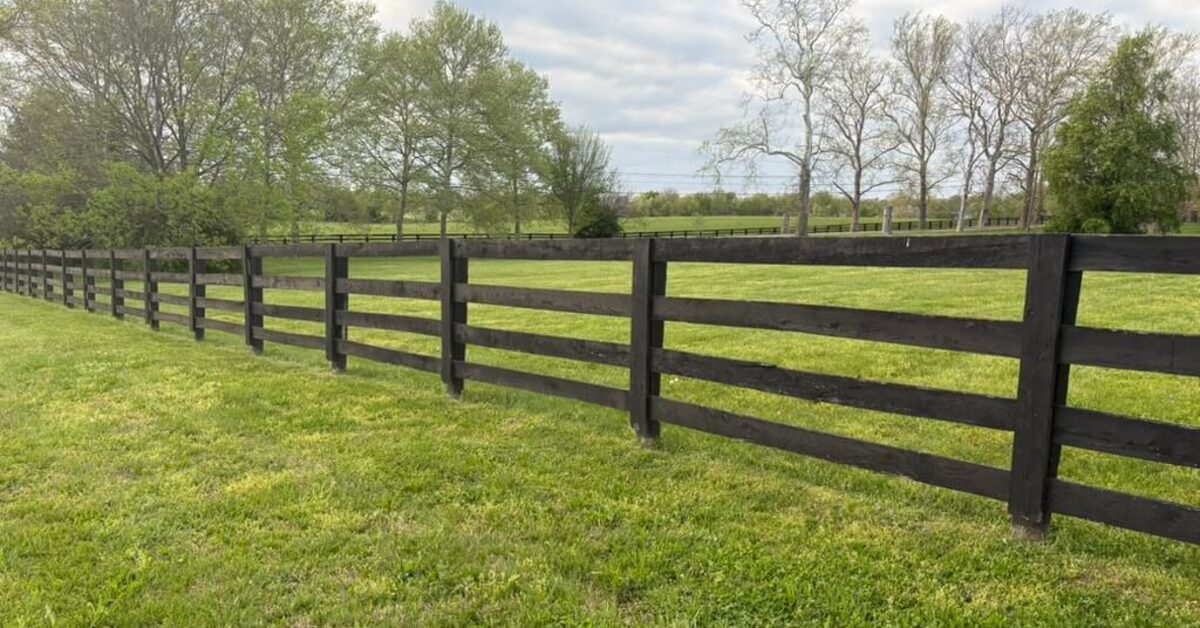
Boundary disputes: The most common adverse possession scenario involves a boundary line that is in the wrong place. A fence, hedge, or other boundary marker was installed years ago in a location that does not match the actual property line. One neighbor has been maintaining, mowing, and using the strip of land on their side of the fence for decades, believing it to be theirs. When a survey reveals that the true boundary is different, the question of adverse possession arises.
Vacant or abandoned property: When land is left vacant and unattended by its owner, a neighbor or other party who takes possession — building structures, farming the land, fencing it off — may eventually acquire title through adverse possession.
Tax payments: While not strictly required for adverse possession in Kentucky, a claimant’s payment of property taxes on the disputed land can serve as strong evidence of the hostile and exclusive nature of their possession.
Defenses Against Adverse Possession
If you are a property owner concerned about adverse possession, there are steps you can take to protect your land. Conduct periodic inspections of your property boundaries. If you discover someone using your land, take action promptly — either demanding they stop or granting written permission (which converts the hostile possession into a permissive license and defeats the adverse possession claim). Post “No Trespassing” signs. Pay your property taxes. And if you have any concern about encroachment, have a survey conducted to establish your boundaries.
Granting written permission for the use of your land is one of the most effective defenses — it directly negates the “hostile” element and prevents the adverse possession clock from running.
Establishing Title Through Adverse Possession
A successful adverse possession claimant typically must file a quiet title action in circuit court to obtain a court order recognizing their ownership. This is a lawsuit against the record owner, and the claimant must prove all elements of adverse possession by clear and convincing evidence.
Whether you need to defend against an adverse possession claim or believe you have acquired title through long use of a property, Buckles Law Office can help. Call (859) 225-9540.