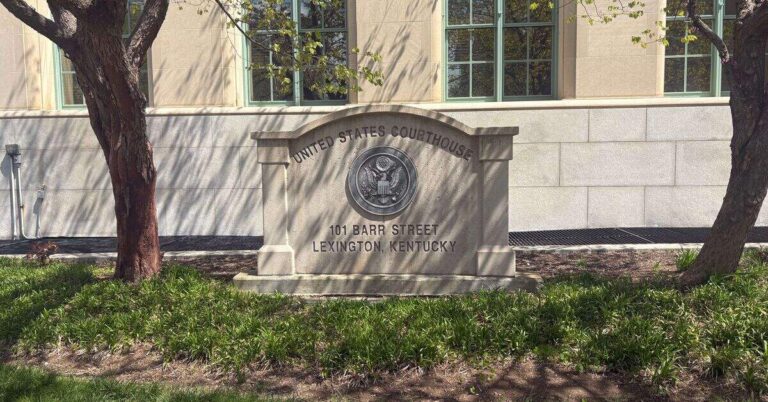

Employer Misclassification: Independent Contractor vs. Employee in Kentucky
If your employer pays you as an independent contractor — issuing you a 1099 instead of a W-2 — but controls when, where, and how you do your work, you may be misclassified. Misclassification isn’t just a tax issue — it can deprive you of overtime pay, minimum wage protections, workers’ compensation coverage, unemployment insurance, and other rights that employees are entitled to under both federal and Kentucky law.
Why Employers Misclassify
The incentives are significant. By classifying a worker as an independent contractor, an employer avoids paying their share of Social Security and Medicare taxes, avoids providing workers’ compensation insurance, avoids paying overtime, avoids providing unemployment insurance, and avoids compliance with numerous employment laws that only apply to employees. Some employers misclassify workers intentionally to cut costs. Others do it out of ignorance. Either way, the worker bears the consequences.
The Legal Test: Employee or Independent Contractor?
The label the employer puts on the relationship doesn’t control. Courts look at the actual nature of the working relationship. Under both the FLSA and Kentucky law, the key factors include the degree of control the employer exercises over how the work is done, whether the worker can profit or lose from the arrangement, the worker’s investment in equipment and materials, whether the work requires special skill, the permanence of the relationship, and the extent to which the work is an integral part of the employer’s business.
If the employer controls your schedule, tells you how to do the work, provides your tools and equipment, and you work exclusively or primarily for that one company — you’re likely an employee regardless of what your contract says.
What Can Misclassified Workers Recover?
A worker who has been misclassified as an independent contractor can pursue claims for unpaid overtime and minimum wage under the FLSA and KRS Chapter 337, liquidated damages (doubling the unpaid wages), attorney’s fees and costs (mandatory under both statutes), back taxes — the IRS and Kentucky Department of Revenue may pursue the employer for unpaid employment taxes, and workers’ compensation benefits for any injuries sustained on the job.
If you think you’ve been misclassified, I can help evaluate your situation. Call me at (859) 225-9540 or use the contact form.
Joseph D. Buckles is a civil litigation attorney at Buckles Law Office, PLLC in Lexington, Kentucky.