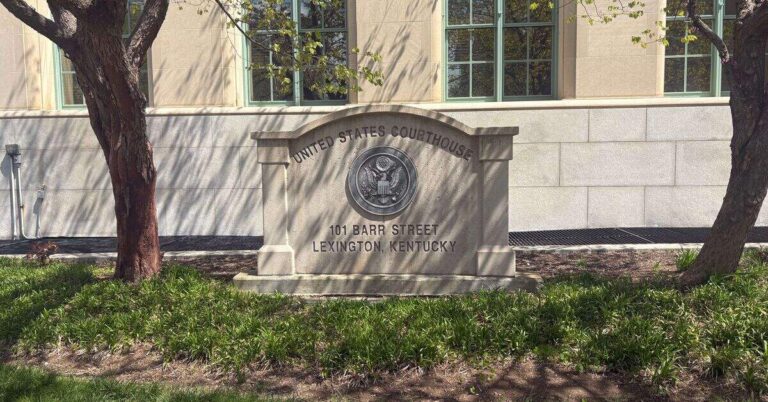

How to File a Judgment Lien on Real Property in Kentucky
Winning a lawsuit is only half the battle. If the person or business you sued refuses to pay, you need a way to collect. One of the most effective tools available to Kentucky judgment creditors is the judgment lien on real property. By recording your judgment in the county clerk’s office, you create a legal claim against the debtor’s land and buildings that must be satisfied before they can sell or refinance.
What Is a Judgment Lien?
A judgment lien is a court-ordered claim that attaches to a debtor’s real property. In Kentucky, once a judgment is entered by a circuit court, it automatically becomes a lien on real property owned by the debtor in the county where the judgment was rendered. Under KRS 426.720, the judgment creates an encumbrance that follows the property, meaning even if the debtor tries to sell or transfer the real estate, the lien stays attached.
This is different from a voluntary lien like a mortgage, which the property owner agrees to. A judgment lien is involuntary — the debtor has no choice in the matter once a court enters judgment against them.
How to Create a Judgment Lien in Kentucky
In the county where your judgment was entered, the lien attaches automatically to any real property the debtor owns. No additional filing is necessary in that county — the judgment itself, once entered on the court’s records, serves as the lien.
However, if the debtor owns property in other Kentucky counties, you must take an additional step. Under KRS 426.720, you can file an abstract of judgment (sometimes called a “judgment abstract” or “transcript of judgment”) in the county clerk’s office of any county where the debtor holds real property. Once recorded, the lien attaches to the debtor’s property in that county as well.
To file the abstract, you will need a certified copy of the judgment from the circuit court clerk where the case was decided, then record it with the county clerk in the target county. There is a modest recording fee, typically around $20 to $30 depending on the county.
How Long Does a Judgment Lien Last?
Under KRS 413.090, a judgment in Kentucky is enforceable for 15 years from the date it was entered. The judgment lien remains effective for that same period. If you have not collected within 15 years, you may petition the court to renew the judgment, though the rules around renewal can be complex and fact-specific.
It is important to act within this window. If the statute of limitations on the judgment expires, the lien is no longer enforceable, and the debtor’s property is released from the encumbrance.
What a Judgment Lien Can and Cannot Do
A judgment lien is a powerful collection tool, but it has limitations worth understanding:
What it can do: A judgment lien prevents the debtor from selling or refinancing their property without first paying off your judgment. Title companies and buyers will discover the lien during a title search, effectively blocking a clean transfer. In many cases, this pressure alone motivates the debtor to negotiate a payment plan or lump-sum settlement.
What it cannot do on its own: A judgment lien does not automatically force a sale of the property. To compel a sale, you would need to pursue a judicial sale (sometimes called an execution sale) through the court under KRS Chapter 426. This is a separate legal proceeding with its own requirements.
Priority of Liens
Kentucky follows a “first in time, first in right” rule for liens. If the debtor has a mortgage, that mortgage was almost certainly recorded before your judgment lien, meaning the mortgage holder gets paid first from any sale proceeds. Your judgment lien falls behind any prior-recorded liens, including tax liens, which typically have super-priority status.
This is why timing matters. The sooner you record your judgment or abstract, the better your priority position relative to any future liens or encumbrances against the property.
The Homestead Exemption
Kentucky law provides a homestead exemption under KRS 427.060 that protects a portion of the debtor’s primary residence from creditor claims. As of recent amendments, the exemption amount is $5,000 of value in the debtor’s home. While this is relatively modest compared to homestead exemptions in other states, it does mean that the debtor is entitled to receive the first $5,000 of equity before judgment creditors can reach the remaining value.
Practical Tips for Judgment Creditors
If you hold a judgment and the debtor owns real property, consider these steps to maximize your recovery. File your abstract in every county where the debtor owns or might acquire property. Monitor the property for sale listings — if the debtor tries to sell, the title company will contact you about satisfying the lien. Be prepared to negotiate, as many debtors will offer a discounted lump sum to clear the lien and complete their sale. Keep track of the 15-year limitations period and consider renewal well before it expires.
When to Consult an Attorney
Filing a judgment lien is relatively straightforward, but the broader collection process can involve significant legal complexity — especially when multiple creditors are competing for limited assets, when the debtor claims exemptions, or when you need to pursue a judicial sale. An experienced collections attorney can help you navigate these issues and maximize your chances of actually getting paid.
If you are holding an unpaid judgment and need help collecting, Buckles Law Office can assist you with filing judgment liens, pursuing judicial sales, and other post-judgment collection remedies in Kentucky. Call us at (859) 225-9540 to discuss your options.