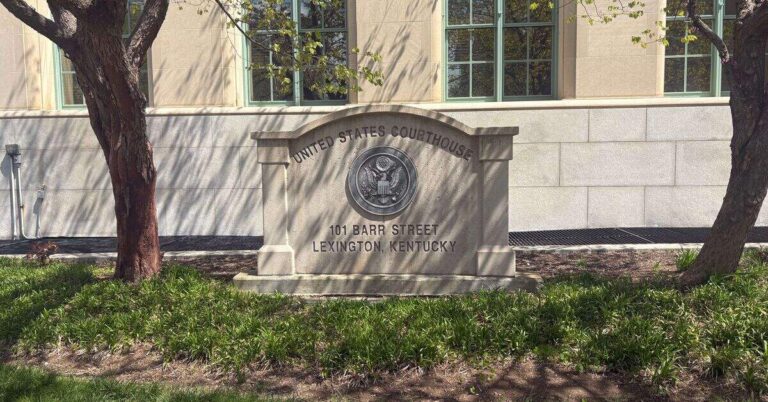

Partnership Disputes in Kentucky: Buyouts, Dissolution, and Litigation
Going into business with a partner can be one of the best decisions you make — until it isn’t. When partners disagree about the direction of the business, the handling of finances, or who is pulling their weight, the dispute can threaten both the business and the personal finances of everyone involved. Kentucky law provides a framework for resolving partnership disputes, but the outcomes depend heavily on whether the partners planned ahead.
Kentucky’s Partnership Law Framework
Kentucky adopted the Uniform Partnership Act, codified at KRS 362.150 through KRS 362.360, and the Revised Uniform Limited Partnership Act at KRS 362.401 through KRS 362.527. For LLCs — which are the most common business entity for small partnerships in Kentucky — the governing statute is the Kentucky Revised Uniform Limited Liability Company Act at KRS 275.001 through KRS 275.455. These statutes provide default rules for how partnerships and LLCs operate, but they can be overridden by a partnership agreement or operating agreement.
The single most important document in any partnership dispute is the partnership agreement or LLC operating agreement. If you have one, it likely governs buyout procedures, dispute resolution mechanisms, profit distribution, and dissolution. If you do not have one, the statutory defaults apply — and those defaults may not produce the result either partner wants.
Common Causes of Partnership Disputes
The disputes that end up in litigation tend to follow predictable patterns. One partner believes the other is not contributing equitably — either in time, effort, or capital. One partner is taking excessive compensation or making unauthorized expenditures. There are disagreements about the strategic direction of the business, whether to take on debt, or whether to bring in additional partners. One partner wants to exit and the others will not agree on a fair buyout price. Or one partner discovers that the other has been self-dealing, diverting business opportunities, or competing with the partnership.
Fiduciary Duties Between Partners
Partners owe each other fiduciary duties — the duty of loyalty and the duty of care. Under KRS 362.180, every partner must account for any profit derived from the partnership business or from use of partnership property. A partner who diverts a business opportunity that belongs to the partnership, who competes with the partnership without consent, or who conceals financial information from the other partners has breached their fiduciary duty and is personally liable for the resulting damages.
Judicial Dissolution
When partners cannot resolve their differences, any partner may petition the court for judicial dissolution. For general partnerships, KRS 362.265 permits dissolution by court decree when a partner’s conduct makes it impracticable to carry on the business, when the business can only be carried on at a loss, or when other circumstances render dissolution equitable. For LLCs, KRS 275.290 allows judicial dissolution when it is not reasonably practicable to carry on the business in conformity with the operating agreement.
Judicial dissolution is a serious step — it effectively ends the business. The court will appoint a receiver or winding-up agent to liquidate assets, pay debts, and distribute the remaining proceeds to the partners.
Buyout Disputes and Valuation
When one partner wants out, the most contentious issue is usually valuation — what is the departing partner’s interest worth? If the operating agreement includes a buyout provision with a valuation formula, that formula will generally control. If it does not, the parties must agree on a valuation method or the court will determine fair value based on expert testimony. Common valuation approaches include discounted cash flow analysis, comparable transaction multiples, and asset-based valuations. Each method can produce dramatically different results, which is why buyout disputes often require forensic accounting and business valuation experts.
Protecting Yourself Before a Dispute Arises
The best time to plan for a partnership dispute is before one happens. A well-drafted operating agreement should address capital contributions and profit distributions, management authority and decision-making procedures, buyout triggers and valuation formulas, non-compete and non-solicitation provisions, and dispute resolution mechanisms including mediation and arbitration clauses. Investing in a thorough operating agreement at the outset of the partnership is far less expensive than litigating these issues later.
If you are involved in a partnership or LLC dispute in Kentucky, contact Buckles Law Office at (859) 225-9540. We handle business litigation and can help you protect your interests.