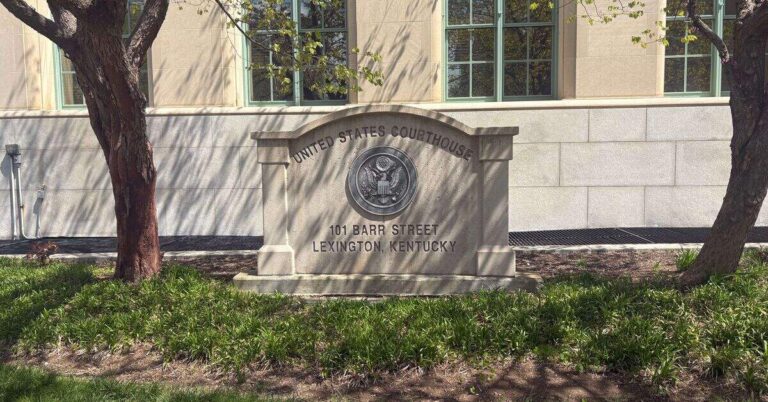

Third-Party Claims in Workers’ Comp: When You Can Sue Beyond Your Employer
If you are injured on the job in Kentucky, workers’ compensation is typically your exclusive remedy against your employer. But what many injured workers do not realize is that if a third party — someone other than your employer or a co-worker — caused or contributed to your injury, you may be able to file a separate personal injury lawsuit against that third party in addition to your workers’ comp claim.
The Workers’ Compensation Exclusive Remedy Rule
Under KRS 342.690, when an employer provides workers’ compensation coverage, the employee gives up the right to sue the employer for workplace injuries in most circumstances. This is the “exclusive remedy” doctrine — the trade-off at the heart of workers’ compensation. The employee gets no-fault benefits (medical treatment and wage replacement) without having to prove the employer was negligent, but in exchange, the employer is shielded from tort liability.
However, this shield only protects the employer. It does not protect third parties whose negligence or wrongful conduct caused the worker’s injury.
Who Is a “Third Party”?
A third party is anyone other than your employer or a fellow employee acting within the scope of employment. Common third-party defendants in Kentucky workplace injury cases include manufacturers of defective equipment or machinery, contractors or subcontractors on a construction site (if they are not your direct employer), drivers who cause motor vehicle accidents while you are working, property owners who maintain unsafe premises where you are sent to work, and designers or engineers whose faulty plans create dangerous conditions.
Common Scenarios
Defective equipment: If a machine you use at work malfunctions due to a design or manufacturing defect, you can file a product liability claim against the manufacturer — even while collecting workers’ comp from your employer. The employer did not make the machine; the manufacturer did, and the manufacturer is a third party.
Construction site injuries: Construction sites often involve multiple contractors and subcontractors. If you work for one subcontractor but are injured due to the negligence of another subcontractor or the general contractor, the negligent party is a third party you can sue.
Motor vehicle accidents: If you are driving for work and another driver causes an accident, that driver is a third party. You would receive workers’ comp benefits through your employer and simultaneously pursue a personal injury claim against the at-fault driver.
Why Third-Party Claims Matter
Workers’ compensation benefits, while valuable, are limited. They cover medical expenses and a portion of lost wages, but they do not compensate for pain and suffering, emotional distress, or full lost earnings. A third-party personal injury claim allows you to recover these additional damages — potentially resulting in a significantly larger total recovery than workers’ comp alone.
The Subrogation Issue
There is an important catch. Under KRS 342.700, if you receive workers’ compensation benefits and then recover damages from a third party, your employer (or its workers’ comp insurer) has a subrogation right — meaning they are entitled to be reimbursed for the benefits they paid out, from the proceeds of your third-party recovery.
The mechanics of subrogation in Kentucky can be complex. The employer or insurer must be given notice of the third-party action and has the right to intervene. If the employee does not pursue the third-party claim within a reasonable time, the employer or insurer may bring the action itself. The allocation of the third-party recovery between the employee, the employer/insurer, and attorney’s fees is governed by statute and case law, and often requires negotiation.
Statute of Limitations
Third-party personal injury claims in Kentucky are subject to a one-year statute of limitations under KRS 413.140. This is a short window, and it runs from the date of the injury (or, in some cases, from the date the injury was or should have been discovered). Do not assume that filing a workers’ comp claim preserves your right to sue a third party — the two claims have separate deadlines, and missing the personal injury deadline means losing the third-party claim forever.
Coordinating Both Claims
Successfully managing a workers’ comp claim and a third-party lawsuit simultaneously requires careful coordination. The two proceedings have different rules, different forums, and different timelines. Statements made in one proceeding can potentially affect the other. It is important to work with an attorney who understands both systems and can develop a strategy that maximizes your total recovery while protecting your interests in both cases.
If you were injured at work and believe a third party may be responsible, Buckles Law Office can evaluate your situation and advise you on your options. Call (859) 225-9540 to schedule a consultation.