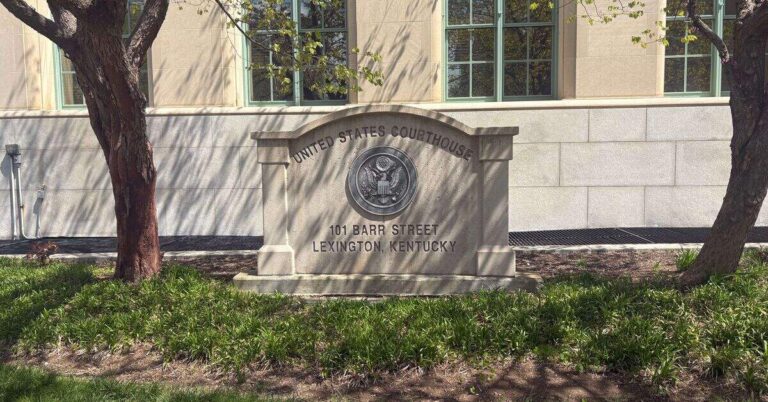

Post-Judgment Collections in Kentucky: Tools to Get Paid After You Win
You went to court, proved your case, and won a judgment. But the defendant still has not paid. Unfortunately, a judgment is not the same as cash — it is a court order saying someone owes you money. Actually collecting that money often requires additional legal steps. Kentucky law provides several post-judgment collection tools that can help you turn your judgment into real money.
Understanding Your Judgment
Once a court enters a judgment in your favor, you become a judgment creditor and the losing party becomes a judgment debtor. The judgment specifies the amount owed, which accrues interest at the legal rate of 12% per annum (for judgments, under KRS 360.040) until paid. A Kentucky judgment is enforceable for 15 years under KRS 413.090 and can be renewed before it expires.
Discovery of Assets: The Debtor’s Examination
Before you can collect, you need to know what the debtor owns. A debtor’s examination (supplemental proceeding) under CR 69 is one of the most valuable tools available. You can subpoena the debtor to appear in court and answer questions under oath about their income, bank accounts, real property, vehicles, investments, and other assets. Failure to appear can result in a contempt of court finding, which may include arrest.
You can also serve written interrogatories in aid of execution on the debtor, requiring written answers about their financial situation. These discovery tools help you identify assets to target for collection.
Wage Garnishment
If the debtor is employed, wage garnishment is often the most effective collection tool. Under KRS 425.506, you can obtain a court order directing the debtor’s employer to withhold a portion of the debtor’s wages and pay them directly to you. Kentucky law limits the garnishment to the lesser of 25% of disposable earnings or the amount by which disposable earnings exceed 30 times the federal minimum hourly wage per week.
The garnishment continues until the judgment is satisfied or the debtor leaves that employment. If the debtor changes jobs, you can serve a new garnishment order on the new employer.
Bank Account Garnishment
You can also garnish the debtor’s bank accounts by serving a garnishment order on the financial institution. The bank must freeze the account and turn over funds up to the judgment amount, subject to any applicable exemptions. Timing matters — you want to serve the garnishment when the account is likely to have funds (for example, shortly after a payday).
Judgment Liens on Real Property
As discussed in KRS 426.720, your judgment automatically becomes a lien on any real property the debtor owns in the county where the judgment was entered. To extend the lien to other counties, file an abstract of judgment with the county clerk. The lien prevents the debtor from selling or refinancing the property without satisfying your judgment — and if they try, the title company will notify you.
If the debtor refuses to sell voluntarily, you can petition the court for a judicial sale (execution sale) of the property under KRS Chapter 426. The property is sold at public auction, and the proceeds (after senior liens and the homestead exemption) are applied to your judgment.
Personal Property Execution
You can obtain a writ of execution directing the sheriff to seize the debtor’s non-exempt personal property — vehicles, equipment, inventory, valuables — and sell it at auction to satisfy the judgment. In practice, personal property executions are less common than wage or bank garnishments because personal property often has limited resale value and the debtor may claim exemptions.
Exempt Property
Not all of the debtor’s assets can be reached. Kentucky law exempts certain property from collection, including $5,000 of equity in a primary residence (KRS 427.060), household furnishings, clothing, and other necessities up to specified amounts (KRS 427.010), tools of the debtor’s trade, certain retirement accounts and pension benefits, and specified insurance proceeds. Understanding these exemptions is important so you do not waste time and resources pursuing assets you cannot reach.
Domesticating Out-of-State Judgments
If you obtained a judgment in another state and the debtor has assets in Kentucky, you can domesticate the judgment in Kentucky under the Uniform Enforcement of Foreign Judgments Act (KRS 426.950 et seq.). Once domesticated, the judgment is treated as a Kentucky judgment and you can use all of Kentucky’s collection tools.
Persistence Pays Off
Post-judgment collection often requires patience and persistence. Debtors may hide assets, change jobs, or simply refuse to cooperate. But with the right tools and consistent effort, many judgments can be collected. The key is to act promptly, use the available discovery and collection mechanisms, and not let the judgment sit idle.
Buckles Law Office helps judgment creditors collect what they are owed throughout Central Kentucky. Call (859) 225-9540 to discuss your collection options.